

Climate change and land use transformations have intensified interactions between humans and wildlife, possibly affecting population densities and behavioral adaptation of species to anthropized environments. Whether these behavioral responses are primarily due to phenotypic plasticity or are instead the result of human-induced selective processes, especially in small populations where genetic drift plays a major role, is still a matter of debate.
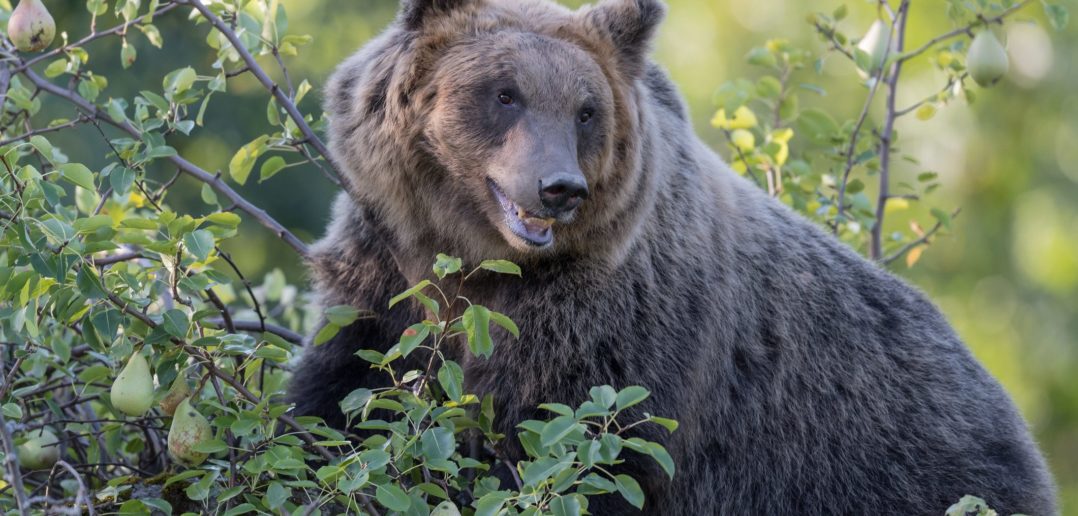
The study examines the small population of the Apennine brown bear(Ursus arctos marsicanus), which has cohabited with humans in central Italy for thousands of years. The researchers analyzed genomic diversity and identified specific adaptation signals in this population by comparing new whole-genome sequencing data with previously published data from brown bears in central Europe and North America.
The results show that the Apennine brown bear has reduced genomic diversity, higher levels of inbreeding, and a higher realized genetic load than other brown bear populations. At the same time, a unique genetic profile emerges, characterized by selection signals in genes associated with reduced aggression, such as DCC and SLC13A5. Many of the variants identified in these genes are located in noncoding regions of DNA and some appear to affect splicing factor binding sites, underscoring the important role of noncoding variation in defining complex phenotypes.
Overall, the results support the hypothesis that human-induced selection has promoted behavioral changes even in small, long-isolated populations. These adaptations would have helped reduce conflicts with humans and promote the long-term persistence of a large mammal species, making its coexistence with human communities possible.
> Read the study published in Molecular Biology and Evolution
Cover photo by Alberto Giannelli.