

Salviamo L’Orso has joined the joint statement issued by animal welfare and environmental organizations strongly condemning the seriousness of Hunting Bill 1552 on wildlife protection and hunting regulation, currently under discussion in the Italian Senate.
We are facing what we consider to be the most severe legislative setback for wildlife and biodiversity protection in recent decades. This proposal not only disregards scientific evidence and European obligations, but also risks irreversibly undermining conservation efforts that have been built over many years.
The measures contained in the bill amount to a gift to hunting lobbies at the expense of the public interest, ecosystem protection, and Italy’s natural heritage. Among the most alarming provisions are the opening of hunting during the highly sensitive pre-breeding migration period for birds, the marginalization of the scientific role of ISPRA (the Italian Institute for Environmental Protection and Research), the expansion of hunting activities into areas that have so far remained protected, and the revival of the use of live decoys, a practice that has already been challenged by the European Union.
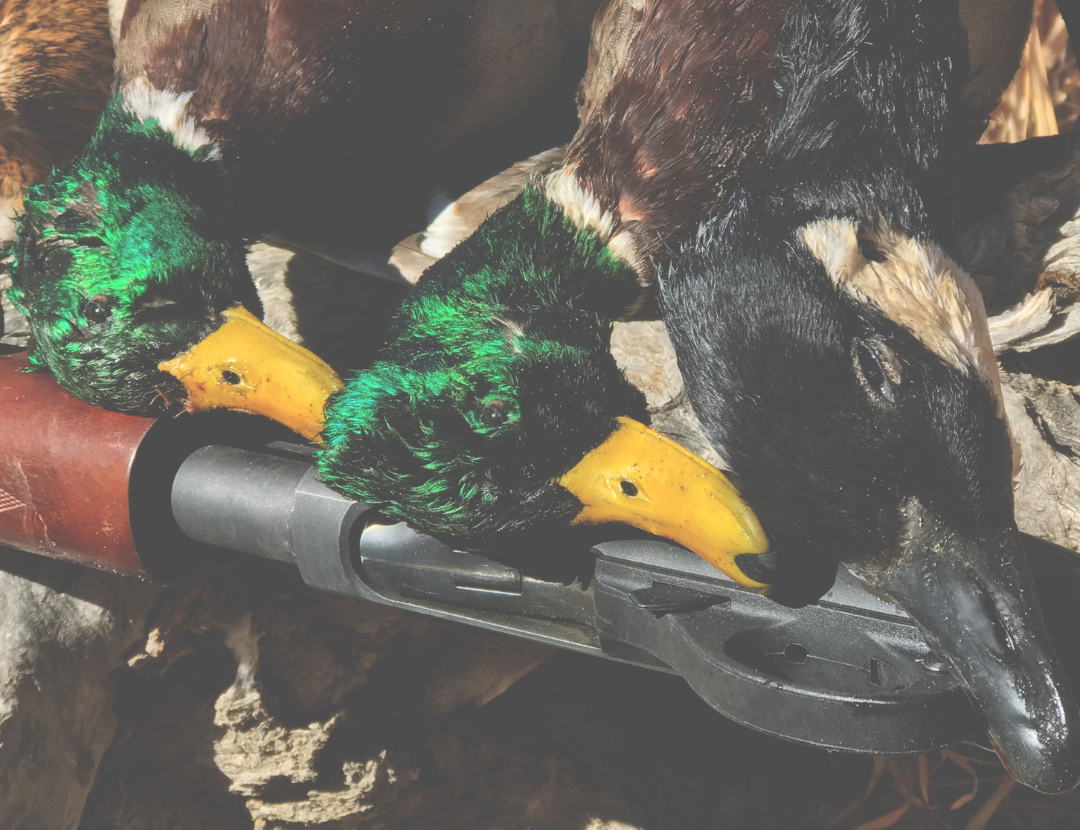
The scale of hunting pressure in Italy is clearly illustrated by official figures. In April 2025, ISPRA published the most comprehensive report to date on the harvesting of Italian bird populations, based on hunting records collected by regional authorities. The analysis shows that more than 5.39 million birds belonging to huntable species were killed during the 2022–2023 hunting season alone. This is an enormous figure, and it refers exclusively to bird species, excluding mammals, ungulates and other animals subject to hunting activities.
Even more striking is the cumulative total. According to official ISPRA data, more than 32 million birds were killed in Italy between the 2017 and 2023 hunting seasons. The Institute itself notes that these figures are likely underestimated due to incomplete reporting and data transmission by some regional administrations.
In light of these numbers, it is difficult to understand the rationale behind a reform that would further expand hunting opportunities while reducing the weight of scientific assessments. If millions of animals are already being killed each year under the current regulatory framework, the priority should be to improve monitoring, strengthen protections and ensure compliance with European biodiversity conservation directives—not to weaken existing safeguards.
Particularly troubling is the attempt to diminish the role of science in wildlife management. At a time marked by an unprecedented climate and biodiversity crisis, policymakers should be strengthening conservation and monitoring tools, not weakening them. Ignoring or reducing the importance of scientific expertise means encouraging political decisions that are disconnected from ecological realities on the ground.
As an organization dedicated to the conservation of the Marsican brown bear and the ecosystems of the Apennines, we view with deep concern a legislative framework that treats wildlife not as a shared natural heritage to be protected, but as a resource to be exploited. Italian biodiversity is already under immense pressure from habitat loss and fragmentation, climate change, invasive infrastructure development, and growing conflicts between human activities and wildlife. Expanding hunting opportunities would only exacerbate an already critical situation.
This is not merely an ethical issue; it is also a legal and administrative one. Many of the provisions contained in the bill risk conflicting with European nature conservation legislation, exposing Italy to new infringement procedures and costly legal disputes.
For these reasons, we support the appeal addressed to Environment Minister Gilberto Pichetto Fratin. Faced with a proposal that threatens wildlife protection and national biodiversity, silence and inaction are no longer acceptable. Immediate intervention is needed to halt this reform and open a serious, transparent discussion based on scientific evidence.
Italy’s natural heritage does not need fewer protections. It needs stronger conservation policies, greater investment in biodiversity protection, and a long-term vision capable of addressing the environmental challenges of the future.
Hunting Bill 1552 moves in exactly the opposite direction. This is why we call for it to be stopped before it causes irreparable damage to our country’s natural heritage, which is already under increasing pressure from widespread poaching across the national territory.