

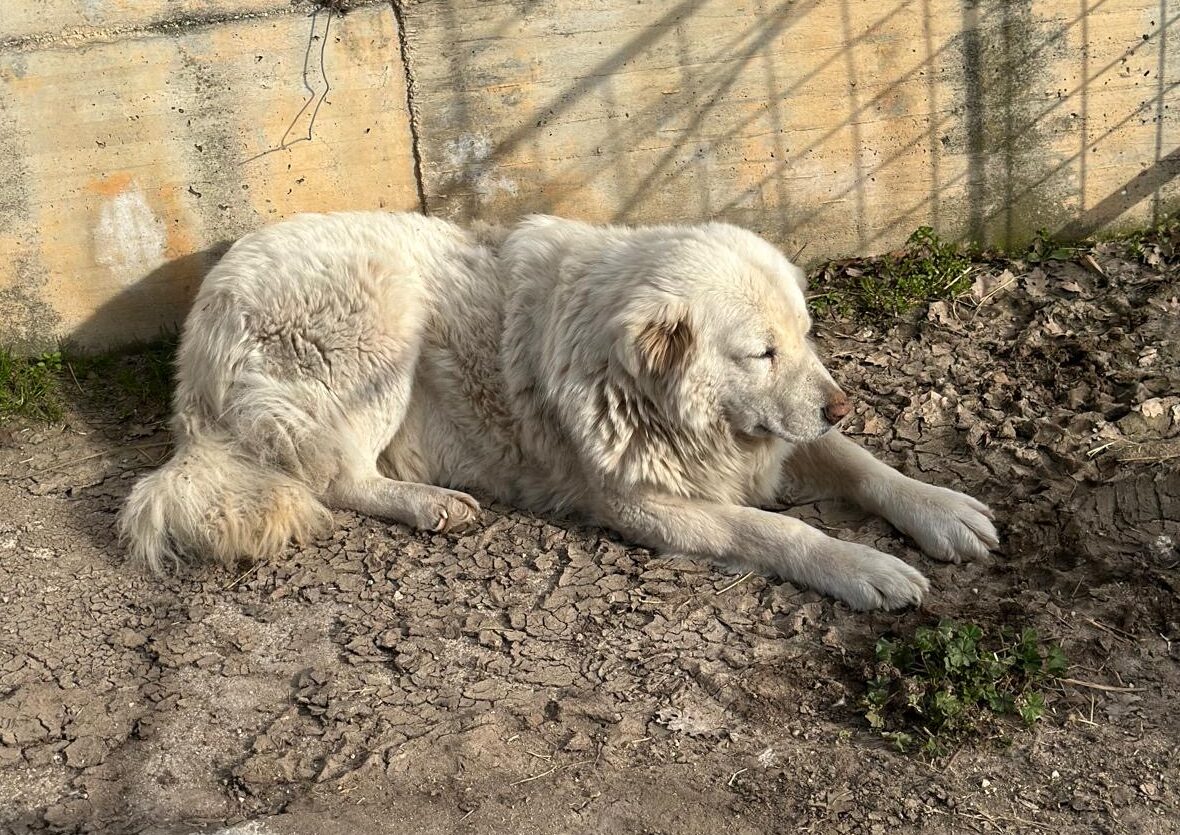
The vaccination of sheepdogs against the seven major infectious diseases (parvovirosis, distemper, infectious hepatitis, infectious parainfluenza, kennel cough, leptospirosis, infectious bronchitis) is one of the pivotal activities of our association, which we carry out thanks to the support of veterinarian Luca Tomei, vice president of Salviamo L’Orso.
An activity, this one, that we cherish given the active role of these animals in fostering coexistence between humans and wildlife. However, we often hear people ask why vaccination is important and, not infrequently, we come in contact with realities that underestimate its importance.
Let us see, then, why it is essential to proceed with the annual vaccination of dogs committed to the territory.
First of all, vaccination protects against serious and often fatal diseases such as cimurro, parvovirosis and leptospirosis.. These infections spread easily, especially in rural settings or in contact with other animals, and can quickly compromise a dog’s health.
In addition, sheepdogs have a higher risk of exposure than domestic dogs: they come into contact with livestock, wildlife and other dogs. This increases the likelihood of contracting infectious diseases, making prevention even more important.
Another key aspect is labor protection: a sick sheepdog is unable to perform its functions (herd management, protection, control). Thus, vaccination helps to ensure continuity and efficiency in agricultural work and, most importantly, is an important element in supporting the mitigation of human-wildlife conflict.
Also not to be underestimated is the issue of public health since some diseases, such as leptospirosis, can also be transmitted to humans.
Finally, vaccinating regularly helps avoid high veterinary costs and emergency interventions, which are often more costly and less effective than prevention.
Dogs working outdoors can come into direct or indirect contact with wild animals (through tracks, feces, contaminated water). If they are not vaccinated, they can act as a “bridge” for the spread of diseases between domestic animals and wildlife. Viruses such as distemper, parvovirosis and leptospirosis, for example, can also affect the Marsican brown bear, putting its population at risk.
Vaccinating sheepdogs thus creates a kind of “health barrier”: it reduces the likelihood of pathogens passing from domestic to wild animals (and vice versa), helping to maintain the balance of ecosystems.
OUR NUMBERS:
since 2014, we have funded 2,210 vaccinations to which 60 new vaccinations were added between January and April 2026 alone between Anversa degli Abruzzo and Pescosolido. In addition, more than 920 dogs have been registered in the registry office to which 15 new microchips have been added in the last four months.